
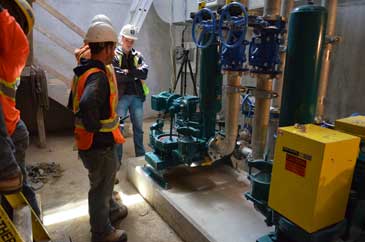
Primary Sludge Pumps at a WWTP
Primary sludge pumps are typically used in municipal Wastewater treatment facilities to transfer digested sewage and sludge. This is a broad pump category that encompasses positive displacement pumps to pump sludge in ranges usually up to about 500 GPM. The choices of pumps vary from double diaphragm pumps, plunger pumps, double disc pumps, rotary lobe pumps, progressive cavity pumps and more.
In todays pump marketplace, there are generally two schools that operators and consulting engineers follow when specifying primary sludge pumps. The first option is to install a more robust pump model with features like ball check technology to manage varying solids percentages or abrasive solids. These pumps typically cost a bit more to begin, but the spare parts costs are much lower down the road. Examples of such pumps are plunger pumps, double diaphragm pumps and double disc pumps.
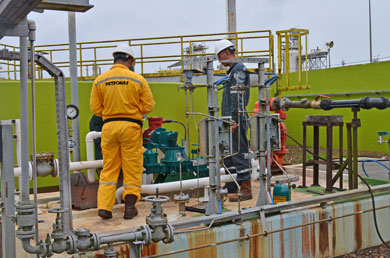
New Diaphragm Pump Options for Malaysia
The Mud Sucker Diaphragm Pump is expanding its presence across Malaysia with a wide variety of our Global pump products available in Kuala Lumpur, Kuala Terengganu, Kota Bharu, Ipoh, Kerteh and Dungun. Our diaphragm pumps have made great headway replacing older technology air operated double diaphragm pumps (AODD pumps) across the country due to increased attention
How to Pump Cooking Oil from Restaurants
In this post we provide answers to the question of how to pump out used cooking oil from restaurant waste collection bins especially in colder weather? Used cooking oil transforms into a gel when the surrounding temperature dips below 40°F (4°C). This makes the fluid very difficult to pump. Roger F., from Charlotte, NC conveys the difficulty in pumping cooking oil:
“We are trying to find optimum pumping solution for pumping used cooking oil (uco) from 100- 300 gallon grease bins at restaurant accounts. We’ve recently opened a plant in the Charlotte area and have been pumping with a trash pump. It may have started off great but the trash pump failed after about six months as colder weather gelled the oil. We want a solution to
mount to our truck that will allow us to effectively pump when cooking oil becomes like a gel or slurry at colder temps.” Thanks Roger F. – Charlotte, NC USA
Roger’s concern is well documented for waste oil collectors especially in Northern climates. First, you might want to try thinnin