
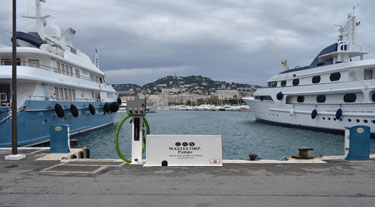
Marine Pump Outs
We operate a saltwater marina and offer a sewage pump out service to our customers. We currently have a peristaltic pump out system but we are looking for something less complicated and more user friendly. We send the pumped out sewage through a magnetic flow meter, up to shore and to the public utility. We are billed by the utility based on our flow meter readings.
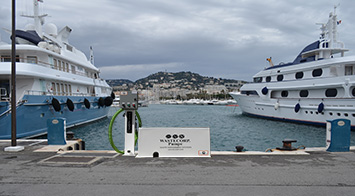
How to Plan a Marine Pump Out Station

What Does A Marine Pump Out Station Do?
A marine pump out station is a facility that allows for boat owners to pump out sewage from their boat’s holding tanks. Having a pump out station for boats is essential for maintaining clean waterways and preventing pollution.
Importance of Planning Your Marine Pump Out Station
Planning a marine pump out station ensures optimal functionality and waste management at your marina. The process involves knowing your marina’s available space, daily traffic and average vessel size to ensure you are getting the appropriate equipment. Consulting other marinas and marine pump experts ahead of when you actually need it installed can also provide valuable insights.
Wastecorp, a leading marine pump out manufacturer, has over the past few years observed an emerging trend: marinas experiencing increased boat and yacht traffic. In fact, it’s forecasted that the recreational boat market will reach USD 27.45 billion by 2030. As such, it’s crucial that your current marine pump out plan can also accommodate future growth effectively.
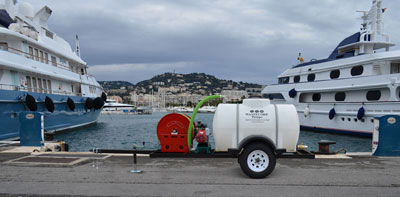
What Commercial Marine Operators Should Consider Under MARPOL ANNEX 5
Commercial marine operators around the world should understand that the Marpol Annex five prohibits the disposal of cooking oil, slurries and other substances which may be considered toxic to the marine environment. All of these substances are no longer permitted to be dumped at sea no matter how far offshore.
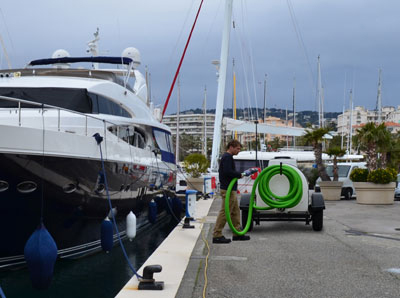
Marina Pump Outs and The New MARPOL Annex V
As many marinas know, the new MARPOL Annex 5 which prohibits disposal of garbage from ships, yachts and boats (which includes certain types of wastewater) have come into effect as of January 1, 2013. The new regulations set specific requirements for disposing of black water, cooking oil, grey water, residues, liquid detergents and animal waste.