
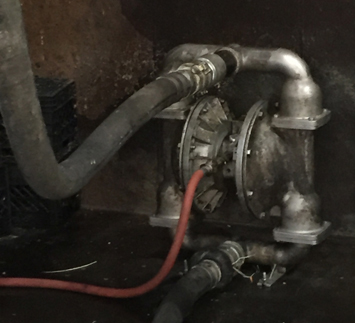
“We are using Aod pumps side by side at our manufacturing facility to pump jelly type slurry wastewater and waste oil or a combination of that. These AOD pumps are costing us $1000 to $2000 a piece to rebuild. They provide poor performance and the energy costs are ridiculous. This is the 21st century, there has to be a better alternative!! What can Wastecorp offer? Tim K. - Everett, Washington
Aod Pumps: Repair it or Replace it?
Waste Oil and Wastewater Pumps for the Natural Gas Industry
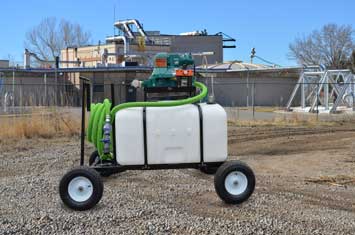
Pump Systems for Natural Gas and Power Generation
Honey wagon waste containment systems are used across a wide range of industries and have endless application
Airport Stormwater Pump Options
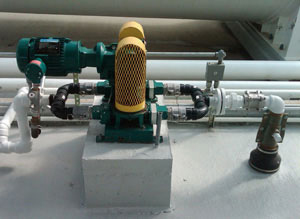
At airports around the world, storm water gets mixed with jet fuel during storms and must be properly pumped and treated before returning into the waterways. Most airports have stormwater pumping stations to prevent flood damage, protect the water supply and capture runoff before returning to canals levee’s
New 4” Diaphragm Pumps Now Available
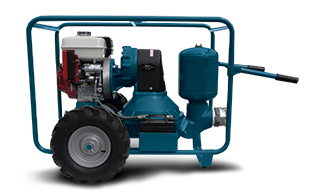
If you’re looking for a flapper valve style diaphragm pump with a 4” connection and more pumping power, consider Wastecorp’s new Mud Sucker 4FA Series diaphragm pumps available with electric, engine, AOD or hydraulic drive systems.
What’s New in Diaphragm Pumps?
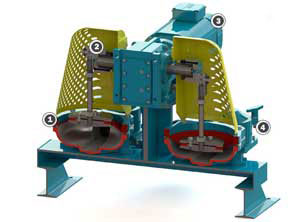
Diaphragm pumps have had quite the evolution over the last few years with new innovations in diaphragm materials, pump body engineering, drive systems and overall design. This evolution is mainly end user driven; more facilities face budget constraints and have thus demanded cost effective solutions for transferring wastewater and slurry (which diaphragm pumps have traditionally offered). Diaphragm pump manufacturers have responded by offering heavy duty pump models that transcend their usual application capabilities and now may be suitable for areas that submersible pumps and trash pumps once dominated. Here’s a partial answer to how this evolution has happened: